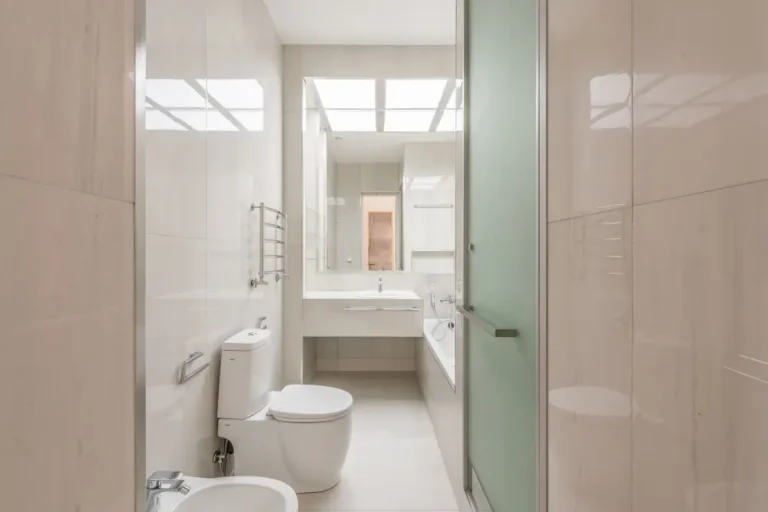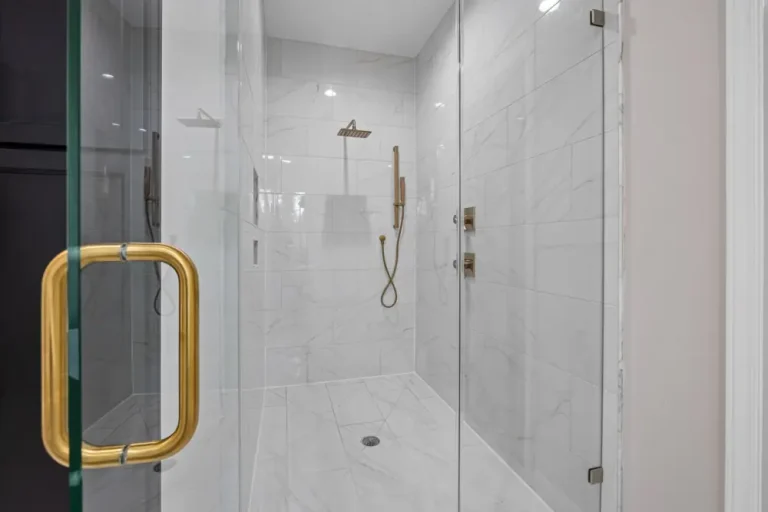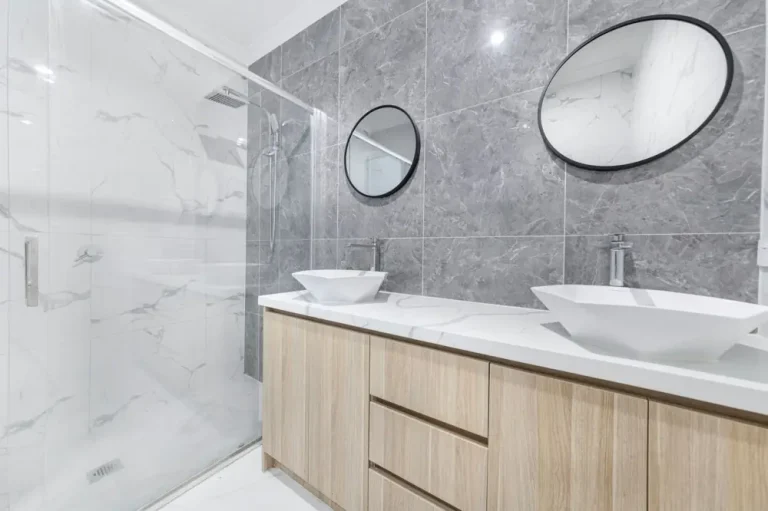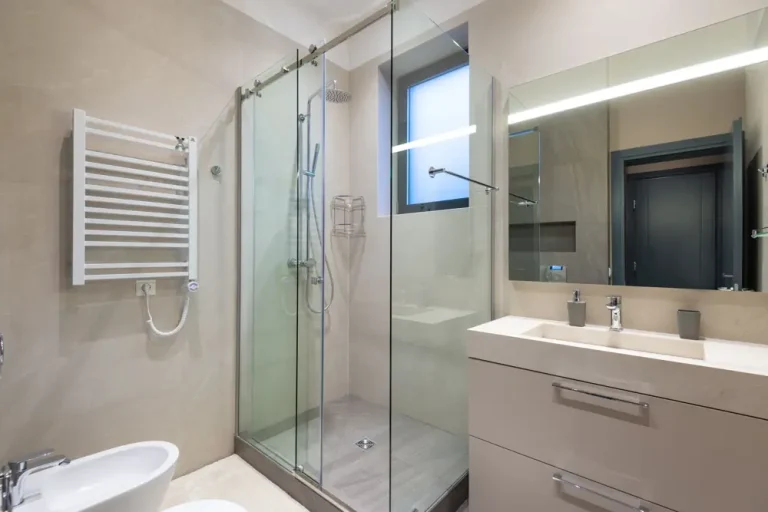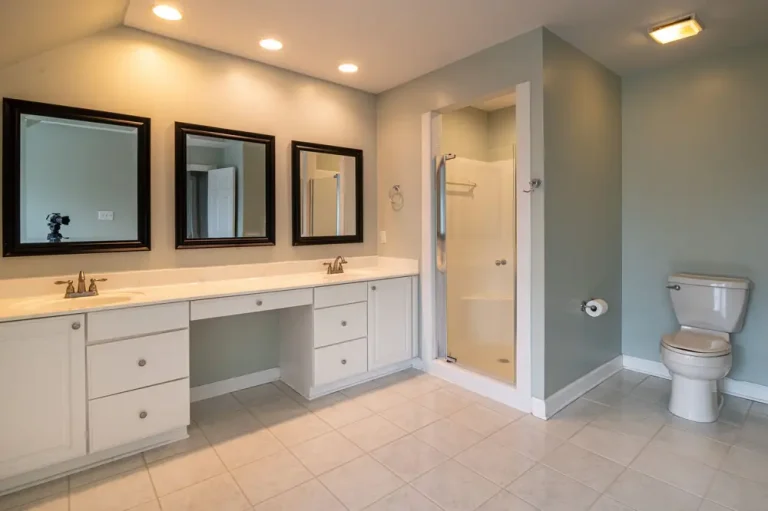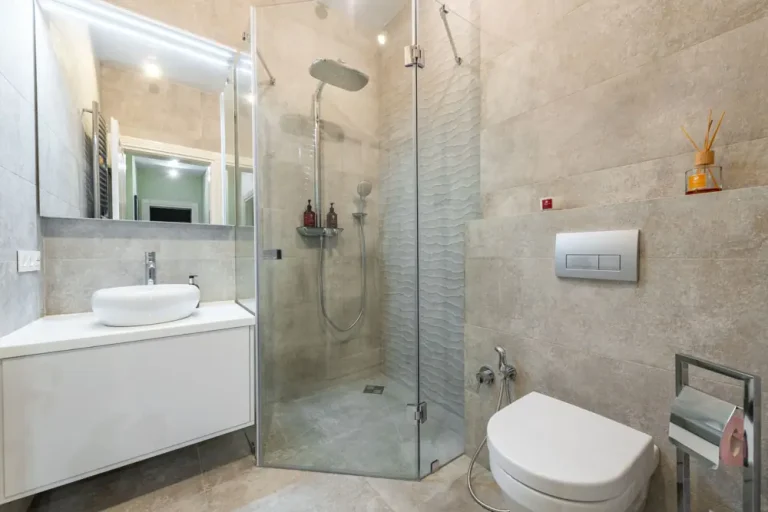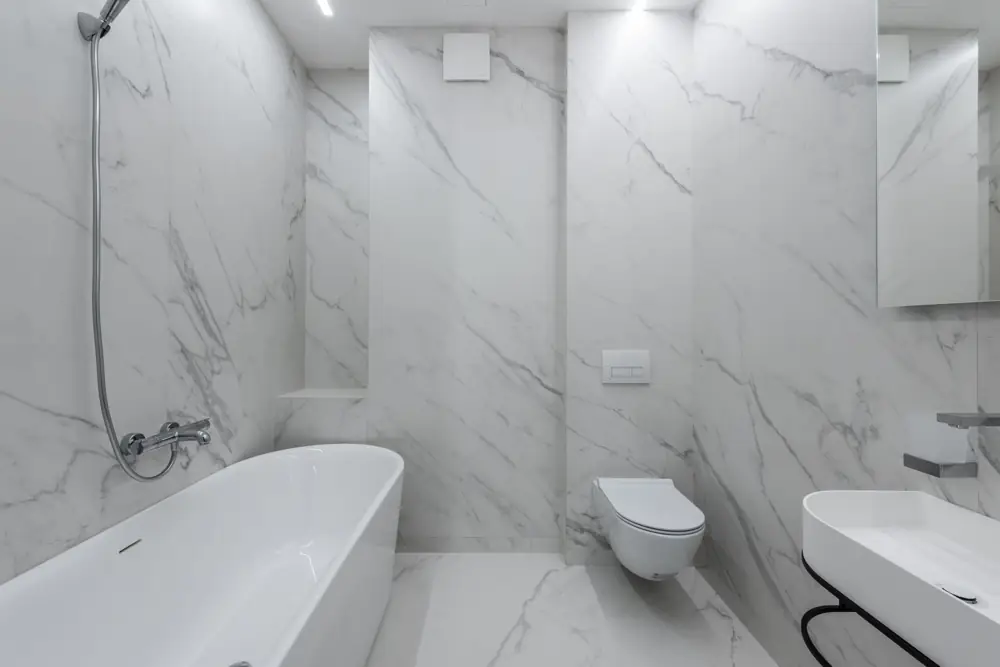
One Day Bath Remodel Cost vs Traditional Renovation USA
By the KitchenBath Guides Editorial Team — reviewed for accuracy. Last updated October 2026. This article is for informational purposes and reflects typical market pricing; verify current details with licensed contractors before starting any project.
One-day bath remodels price the speed: acrylic liners and wall systems over existing structure, installed in hours instead of weeks. The honest comparison prices what that speed trades — permanence, tile craft, and the full-rebuild lifespan traditional renovation carries.
This guide compares one-day bath systems and traditional renovation for 2026: the product structures, their real costs and lifespans, and the bathroom conditions that decide which route honestly fits.
One Day Bath Remodel Cost vs Traditional Renovation — At a Glance for US
One-day bath remodels run $4,500–$16,000 in 2026 — $4,500–$8,000 for full one-day systems (liner plus wall surround) against $10,000–$16,000+ for traditional tile renovation of the same space. The trade is lifespan and permanence: one-day systems carry 10–15 year horizons over sound structure; traditional rebuilds carry the bathroom full life. Speed is real; so is the difference. This is a realistic planning number for the United States in 2026, not a marketing low-ball.
| Line Item | Typical Range (USD) | What Drives It |
|---|---|---|
| One-day full system (liner + walls) | $4,500–$8,000 | Installed in one visit |
| One-day walls-only system | $3,000–$5,500 | Surround over existing tub |
| Traditional renovation (same space) | $10,000–$16,000 | Tile, rebuild, full lifespan |
| Lifespan: one-day systems | $10–$15 | Years over sound structure |
| Lifespan: traditional rebuild | $25–$40 | Years, repairable along the way |
Understanding One Day Bath Remodel Cost vs Traditional Renovation
The one-day product is engineered cover: acrylic formed over the existing tub and walls, measured precisely, installed in a single visit. It requires sound structure beneath — the failing subfloor or water-damaged wall converts the project to traditional scope immediately. Where structure is sound, it delivers a genuinely new-looking bathroom in a day at half-to-a-third of traditional pricing.
The traditional product is rebuild: demolition to studs where needed, new substrate, tile craft, full plumbing access. It carries decades of repairable lifespan — the tile that re-grouts, the fixtures that replace individually. The one-day system replaces whole at end-of-life; the traditional bathroom repairs along the way. The honest comparison prices the horizon: selling in 5 years, the one-day math wins; staying 15, the rebuild wins.
What Moves the Price Up or Down
The decision moves on structure condition, the staying horizon, and the tile-experience question — speed against permanence.
| Factor | Cost Impact | Detail |
|---|---|---|
| Structural condition | ±route eligibility | Sound structure is the one-day prerequisite |
| Staying horizon | ±route economics | 5-year horizons price one-day; 15-year price rebuild |
| Tile experience preference | ±aesthetic route | The tile look versus the acrylic look |
| Accessibility needs | ±conversion scope | Curbless and layout work price traditional |
Speed-vs-Permanence Options
Three routes cover the market.
| Option | Description | Best For | Cost Level |
|---|---|---|---|
| One-day full system | Liner + walls, single visit | Sound structure, speed priority, near-term horizon | $4,500–$8,000 |
| One-day walls-only | Surround over sound tub | The value speed play | $3,000–$5,500 |
| Traditional renovation | Rebuild, tile, full lifespan | Long horizons, tile preference, structure needs | $10,000–$16,000+ |
Speed and permanence are the real axes — the products price the trade between them.
Three Realistic Project Scenarios
The pre-sale speed play — $4,500–$6,500
A sound bathroom needing visual reset before listing.
- One-day full system — $4,500–$6,500
- Speed value at sale — $0–$0
Why this matters: the pre-sale reset in a day — the honest speed case the near-term horizon prices.
The walls-only refresh — $3,200–$5,200
A sound tub with dated surround walls.
- Walls-only one-day system — $3,200–$5,200
Why this matters: the walls-only route delivers the visual majority at the value end of speed pricing.
The long-horizon rebuild — $11,000–$15,500
The family home held 15+ years, tile preferred.
- Traditional full renovation — $11,000–$15,500
- Lifespan and repairability — $0–$0
Why this matters: the rebuild prices permanence — decades of repairable tile the one-day horizon cannot match.
Route quotes compare honestly when the horizon is stated — the horizon is the real price driver.
Sample Budget Breakdown
The table below shows how a typical mid-range budget for one day bath remodel cost vs traditional renovation distributes across materials, labor and compliance in the United States. Adjust the percentages to your own scope before using it as a savings target.
| Category | Estimated Amount | Explanation | Optimization Tip |
|---|---|---|---|
| One-day system total | $3,000–$8,000 | by product tier | Price the 10–15 year horizon honestly |
| Traditional rebuild total | $10,000–$16,000 | same space | Price the full-lifespan math against it |
| Horizon-priced annual cost | $300–$600 | one-day annualized | The honest comparison metric — cost per year of service |
Every figure above is an indicative 2026 market range. Final quotes move with site conditions, contractor availability and the exact specification you lock in.
From Quote to Completion: the Typical Timeline
Most one day bath remodel cost vs traditional renovation projects follow the same five-stage rhythm. Knowing the calendar before you sign prevents the two classic frustrations — feeling rushed into a deposit, and being surprised by a mid-project gap while materials arrive.
- Week 0: scope, quotes and fixture pre-order — Fixtures on site before demo prevents the mid-project wait; quotes are comparable when the fixture list is fixed.
- Week 1: permits where required — Plumbing and electrical permits for relocated lines; same-week issue is typical for residential bathrooms.
- Construction: 2–3 weeks — Demo and rough-in days 1–3, waterproofing and tile weeks one-to-two, fixture set and trim in the final days.
- Cure and grout: 3–5 days — Waterproofing membranes and grout carry manufacturer cure schedules before water touches them.
- Final week: inspection and punch list — The plumbing final, the exhaust fan check, and the punch list — usually one half-day.
Smart Ways to Control the Budget
Cost control on one day bath remodel cost vs traditional renovation is mostly about scope discipline and timing. These are the strategies that consistently deliver the largest savings:
Convert the tub only if a second tub exists
Removing the only tub in a family home narrows the future buyer pool; converting a second bathroom tub to a walk-in shower is the safe version of the trend.
Advantages:
- Directly reduces the controllable parts of the quote
- No impact on quality or compliance when scoped correctly
Disadvantages:
- Keeping a rarely-used tub costs space a small bathroom could use better.
- Requires planning lead-time you may not have on urgent timelines
Book the plumber for one mobilization
Grouping rough-in, fixture set and final checks into one scheduled block avoids the 2–3 return trips that each carry a minimum callout.
Advantages:
- Directly reduces the controllable parts of the quote
- No impact on quality or compliance when scoped correctly
Disadvantages:
- Requires the schedule to hold — one delayed delivery cascades into a re-visit fee.
- Requires planning lead-time you may not have on urgent timelines
Buy fixtures yourself on the plumbing-direct sites
The same SKUs run 20–35% under contractor-supply pricing on the direct sites; contractors who refuse owner-supplied fixtures are telling you where their margin lives.
Advantages:
- Directly reduces the controllable parts of the quote
- No impact on quality or compliance when scoped correctly
Disadvantages:
- You own any defect and return process, and warranty claims route through you.
- Requires planning lead-time you may not have on urgent timelines
Refit in place, not relocate
Keeping the toilet, shower and vanity on their existing drains saves the two most expensive lines in a bathroom budget — moving wet plumbing is where small bathrooms become big invoices.
Advantages:
- Directly reduces the controllable parts of the quote
- No impact on quality or compliance when scoped correctly
Disadvantages:
- The layout stays awkward if the existing footprint is genuinely bad.
- Requires planning lead-time you may not have on urgent timelines
Permits, Rules and Safety
One-day systems carry no permits — cover, not construction. Traditional renovations permit where drains and electrical move, and the close-out paperwork prices into the resale the rebuild serves.
- Relocating drains and supply lines requires a plumbing permit with inspection in most jurisdictions; same-location fixture swaps usually do not.
- Waterproofing in wet zones carries code requirements in all five countries — shower membranes and slope specs fail inspections when improvised.
- Exhaust fans vented to the exterior (not the attic) are code in most jurisdictions — and the inspection is where attic-vented installs get caught.
Maintenance and Long-Term Ownership Costs
The project price is only the first line of the budget. These recurring items are what owners in the United States actually spend money on after the crews leave:
| Task | Frequency | Typical Cost | Why It Matters |
|---|---|---|---|
| Grout sealing | Yearly | DIY ($20–$40) | Sealed grout resists mildew and staining — unsealed grout in a shower is a slow maintenance debt. |
| Exhaust fan cleaning | Yearly | DIY (free) | Dusty fans move half their rated air; the moisture that stays is what peels paint and grows mildew. |
| Shower head and aerator descale | Yearly | DIY ($5–$15) | Scale buildup cuts flow and shifts spray patterns; a vinegar soak restores both. |
| Water supply hose inspection | Yearly | DIY (free) | Toilet and vanity supply lines fail at the connections; a 60-second look catches the bulge before the flood. |
One-day maintenance is the silicone joints — the caulk lines are the product lifespan boundary. Traditional maintenance is grout and fixture service — the repairable path that defines the product decades.
Frequently Asked Questions
How much does a one-day bath remodel cost?
$4,500–$8,000 for full liner-plus-walls systems in 2026; walls-only runs $3,000–$5,500 — against $10,000–$16,000+ for traditional renovation of the same space.
Are one-day bath remodels worth it?
When structure is sound and the horizon is near: yes — real speed at half pricing. For 15-year horizons or failing structure, the traditional rebuild prices better per year of service.
How long do one-day bath systems last?
10–15 years over sound structure — the acrylic lifespan, bounded by the silicone joints that renew along the way; the structure beneath sets the real limit.
Can one-day systems do curbless or layout changes?
No — accessibility and layout work is traditional scope; the one-day product covers what exists, it does not re-work what lies beneath.
Summary
Planning one day bath remodel cost vs traditional renovation in the United States starts with an honest range — $4,500–$16,000 for the scenarios most households actually install — then works backwards through horizon-first route selection.
The one-day-versus-traditional decision prices time horizons, not just day-one costs: speed for the near term, permanence for the long. Sound structure makes the speed honest; the staying horizon makes it smart — price both before the route chooses itself. Collect at least three itemised quotes, confirm the permit path before signing, and hold a 10–15% contingency for site surprises. Those three habits protect more budget than any product choice.
Related Guides
- Accessible ADA Bathroom Remodel Cost Compliance USA
- Bathroom Layout Change Plumbing Relocation Cost Ontario
- Half Bathroom Powder Room Addition Cost Illinois
- Bathroom Renovation Timeline Weeks Per Phase Guide UK
- Ensuite Bathroom Addition Cost Per Square Foot New Zealand
- Bathroom Remodel Cost 5×8 Bathroom USA 2026 Guide